
A former lawmaker and chieftain of the All Progressives Congress (APC), Senator Abubakar Yusuf, has criticised Nigeria’s 2026 budget, warning that the country’s borrowing level is dangerously close to the size of the national budget. Speaking during an appearance on Channels Television’s Sunday Politics, Yusuf expressed strong reservations about the ₦68.32 trillion appropriation bill
A former lawmaker and chieftain of the All Progressives Congress (APC), Senator Abubakar Yusuf, has criticised Nigeria’s 2026 budget, warning that the country’s borrowing level is dangerously close to the size of the national budget.
Speaking during an appearance on Channels Television’s Sunday Politics, Yusuf expressed strong reservations about the ₦68.32 trillion appropriation bill recently signed into law by President Bola Tinubu.
 blob:https://www.image2url.com/6b1201f1-93ee-44f9-bbeb-45816585e575
Tinubu’s Minister May Resign As Osoba, Akande Asks Adelabu To Drop Gov’ship Ambition
While acknowledging that the APC is his party, Yusuf said the government must admit shortcomings in its budgeting process.
According to him, the budget lacks proper planning and raises serious concerns about its feasibility.
“Before you budget, you must plan,” he said, questioning whether the figures were driven by genuine national needs or unnecessary spending.
Yusuf argued that the budget is not realistic and suggested that a significant portion of it may be wasteful.
“I may be wrong, but about 40 per cent of this budget that we have is splurged,” he stated.
He further questioned how the government intends to fund such a massive budget, adding that he would not have approved it if he were in the President’s position.
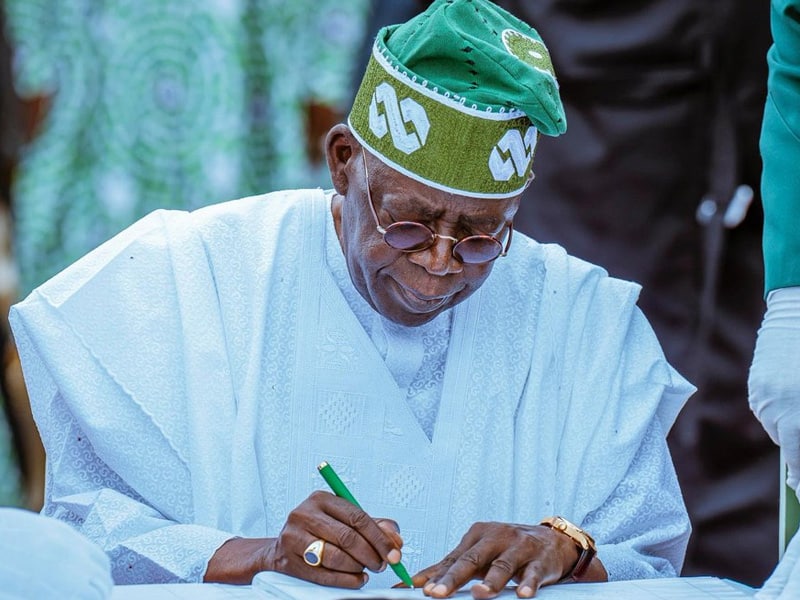
President Tinubu signed the ₦68.32 trillion appropriation bill into law on Friday, April 17, 2026. The budget includes ₦4.799 trillion for statutory transfers, ₦15.8 trillion for debt servicing, ₦15.4 trillion for recurrent expenditure, and ₦32.2 trillion allocated to capital development projects.
The criticism comes amid ongoing concerns from economists and policy analysts over Nigeria’s rising debt profile and fiscal sustainability.


















Leave a Comment
Your email address will not be published. Required fields are marked with *