
Lagos Faces Acute Doctor Shortage as 16,000 Medical Professionals Exit Nigeria In a stark revelation that underscores the growing crisis in Nigeria's medical professionals sector, the Lagos State Government has disclosed that it requires at least 33,000 additional medical doctors to adequately serve its population. This alarming figure stems from the massive exodus of
Lagos Faces Acute Doctor Shortage as 16,000 Medical Professionals Exit Nigeria

In a stark revelation that underscores the growing crisis in Nigeria’s medical professionals sector, the Lagos State Government has disclosed that it requires at least 33,000 additional medical doctors to adequately serve its population. This alarming figure stems from the massive exodus of healthcare professionals—more than 16,000 Nigerian doctors have left the country in recent years in search of better opportunities abroad.
 blob:https://www.image2url.com/6b1201f1-93ee-44f9-bbeb-45816585e575
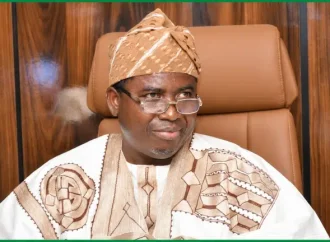
The disclosure was made by the Lagos State Commissioner for Health, Professor Akin Abayomi, during a press briefing held to mark the second year of Governor Babajide Sanwo-Olu’s second term in office at the Government Secretariat in Alausa, Ikeja.
Rivers Tops Nigeria’s HIV Chart As NACA Reveals Over 2 Million Living With Virus Nationwide
Shortfall Against Global Standards
According to Abayomi, the World Health Organization (WHO) recommends a doctor-to-patient ratio of 1:200. However, Lagos, with a population exceeding 20 million, currently has only 7,000 practicing doctors, resulting in a ratio far below the global benchmark.
“We have a shortage of 33,000 doctors,” Abayomi stated. “The flight of skilled professionals is not just a Lagos problem—it is a national crisis. Nigeria as a whole faces a deficit of about 300,000 doctors.”
The health commissioner pointed out that while Lagos State continues to strive for excellence in healthcare delivery, it faces structural challenges created by years of underinvestment and the increasing brain drain in the health sector.
Steps Toward Reversing the Brain Drain
Despite these setbacks, Professor Abayomi affirmed that Lagos is not sitting idle. He revealed that the state has been implementing strategic plans to reduce the doctor shortfall and is already seeing signs of improvement.
“We are planning strategically to address brain drain and increase brain gain,” he said. “There has been an improved flow of funds into the health sector. We are seeing diasporan doctors returning, some permanently, and others temporarily, to contribute their expertise. Lagos is becoming the next frontier in achieving medical excellence.”
Currently, Lagos has over 18,000 healthcare workers spread across its primary, secondary, and tertiary healthcare institutions. The government is also building new climate-resilient health facilities tailored to the state’s unique geographical challenges, including high population density and unstable soil in many coastal and sand-filled areas.
Infrastructure Developments and Future Outlook
In its effort to modernize healthcare infrastructure, the state government is preparing to commission three major secondary hospitals within the next year. These hospitals are located in Ojo, Lagos Island, and Ketu-Ejirin and are expected to significantly expand healthcare access for residents.
Additionally, Lagos is home to the largest cancer treatment centre in West Africa, located in Alausa. The facility offers specialized care and reflects the administration’s commitment to investing in comprehensive, long-term healthcare solutions.
Abayomi also reiterated the government’s intention to eliminate malaria in Lagos within the next few years. He stressed the importance of accurate diagnosis, urging residents to undergo testing before self-medicating for fever symptoms.
“Not every fever is malaria,” he warned. “People should test and get a proper doctor’s prescription before buying drugs. In the next one or two years, we hope to declare Lagos malaria-free.”
National Implications and the Need for Reform
The report of 16,000 doctors leaving Nigeria has reignited debate about the country’s capacity to retain its healthcare workforce. Many attribute the brain drain to poor remuneration, inadequate infrastructure, heavy workloads, and a lack of career development opportunities.
As Lagos sets an ambitious course to reverse the trend, the implications extend far beyond the state. Experts say coordinated action at the national level is required to address systemic issues in Nigeria’s health sector and prevent a further exodus of skilled personnel.
While Lagos remains optimistic about becoming a health innovation hub in Africa, observers note that meaningful progress will depend on sustained investment, robust policy reforms, and a national commitment to improving working conditions for medical professionals.






















Leave a Comment
Your email address will not be published. Required fields are marked with *