
INEC Pushes for Sweeping Electoral Reforms Ahead of 2027 Elections As Nigeria prepares for the 2027 elections, the Independent National Electoral Commission (INEC) has announced a bold set of proposals aimed at transforming the country's electoral framework. With a focus on transparency and autonomy. During a high-profile retreat with the National Assembly’s Joint Committee
INEC Pushes for Sweeping Electoral Reforms Ahead of 2027 Elections

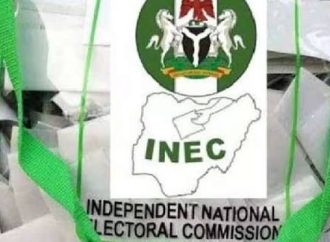
As Nigeria prepares for the 2027 elections, the Independent National Electoral Commission (INEC) has announced a bold set of proposals aimed at transforming the country’s electoral framework. With a focus on transparency and autonomy.
 blob:https://www.image2url.com/6b1201f1-93ee-44f9-bbeb-45816585e575
During a high-profile retreat with the National Assembly’s Joint Committee on Electoral Matters in Lagos, Mohammad Kuna, Special Adviser to the INEC Chairman, unveiled the Commission’s ambitious plan. A major highlight is the call to amend the 1999 Constitution, stripping the President of the authority to appoint Resident Electoral Commissioners (RECs). Instead, INEC seeks the power to independently appoint and discipline heads of its state offices, now to be called State Directors of Elections.
Governor Adeleke Addresses PDP Challenges, Reaffirms Commitment To Osun Development
INEC Advocates Institutional Independence and Innovation
Currently, the President appoints RECs based on Section 154 (1) of the Constitution, with Senate confirmation required. Removal can only happen through a complex process involving a two-thirds Senate majority. INEC argues that this structure leaves room for political influence, undermining the neutrality of election management.
According to Kuna, granting INEC the power to appoint and discipline its state heads will foster greater transparency and accountability, crucial lessons drawn from the controversies of the 2023 elections. The proposed changes specifically target Section 14 (3) Paragraph F of the Constitution and Section 6 (3) of the Electoral Act 2022 to realign legal frameworks with this new vision.
Beyond internal appointments, INEC is also championing the introduction of electronically downloadable voter cards. Amendments to Sections 47 (1) and 16 (1, 2 & 4) of the Electoral Act would replace the traditional Permanent Voter Cards (PVCs), aiming to modernize voter verification and ease logistical burdens.
The Commission further advocates for expanding voter access through early voting options for election workers and essential service providers, special voting rights for incarcerated individuals, and diaspora voting for Nigerians abroad. These proposals involve changes to Sections 77 (2), 117 (1), 132 (5), and 178 (5) of the Constitution, promoting inclusivity in electoral participation.
INEC’s reform agenda does not stop there. It proposes the establishment of two new regulatory bodies — an Electoral Offences Commission to handle violations and a Political Party Regulatory Agency to ensure political party compliance. These initiatives would require amendments to key constitutional sections such as 153 (1), 154 (3), and 156 (1a).
Affirmative action is another cornerstone of the reform package. INEC proposes reserved legislative seats for women and Persons with Disabilities (PwDs), suggesting constitutional changes to Sections 48, 49, 71, and 91. The goal is to enshrine representation for marginalized groups directly into the country’s electoral laws.
Finally, INEC calls for technical clean-ups in the Electoral Act 2022 to address ambiguities and incorrect cross-referencing — particularly around the transmission of election results and conditions for result review. These refinements aim to close loopholes and reinforce electoral integrity.
As the 2027 elections approach, INEC’s sweeping proposals signal a determined effort to safeguard the credibility of Nigeria’s democratic processes. Whether the National Assembly will adopt these far-reaching changes remains to be seen, but the conversation around Nigeria’s electoral future is undoubtedly gaining momentum.




















Leave a Comment
Your email address will not be published. Required fields are marked with *