
Senate Urges FG to Halt Public Enrichment of Power DisCos, Calls for Reform in Power Sector Funding In a strong and pointed critique of Nigeria’s current electricity management system, the Senate has urged the Federal Government to reconsider the structure of the power sector, particularly the practice of indirectly enriching private electricity distribution companies (DisCos)
Senate Urges FG to Halt Public Enrichment of Power DisCos, Calls for Reform in Power Sector Funding
In a strong and pointed critique of Nigeria’s current electricity management system, the Senate has urged the Federal Government to reconsider the structure of the power sector, particularly the practice of indirectly enriching private electricity distribution companies (DisCos) with public funds. This call was made during plenary on Thursday by Senator Yunus Abiodun Akintunde (APC – Oyo Central), Chairman of the Senate Committee on the Environment.
Senator Akintunde, who holds Nigeria’s first PhD in Energy and Environmental Studies, did not mince words as he dissected what he described as a flawed system where government funds are repeatedly funneled into the acquisition of critical infrastructure—such as transformers—for communities, only for these assets to become the property of private DisCos once they are installed and energised.
 blob:https://www.image2url.com/6b1201f1-93ee-44f9-bbeb-45816585e575
PublicTinubu Sends VP Shettima To London As Buhari Recovers In Hospital Funds, Private Gains: A Systemic Flaw
“When you buy a transformer with government funds and hand it over to a community, the DisCos demand payment for installation,” Akintunde told the chamber. “But the moment it is energised, it becomes their asset. That’s how public money ends up enriching private monopolies.”
The senator argued that such practices not only create an unjust imbalance but also undermine public trust in the privatisation of the power sector. According to him, there’s an urgent need to develop a structured and transparent subsidy regime that directly benefits ordinary Nigerians, not private entities.
He further stressed, “Electricity subsidies are not a Nigerian anomaly—they’re a global necessity. Even in advanced economies like the UK, energy is subsidised. We shouldn’t abandon the idea simply because of past abuses. Subsidies, when properly managed, drive growth and shield the poor.”
Transmission Bottlenecks and Structural Gaps
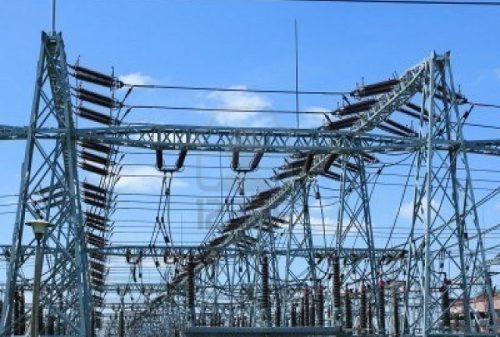
Akintunde also shed light on what he termed the “structural imbalance” within Nigeria’s power ecosystem. Despite the privatisation of the generation and distribution segments, the government still holds exclusive control over the transmission network. This situation, he warned, is contributing significantly to the failure of the country’s electricity supply system.
“If you check most transmission lines and substations, they’re outdated and incapable of handling modern power needs. That’s one of the biggest bottlenecks to reliable supply across the country,” he noted.
The senator pointed out that while generation companies (GenCos) often produce more power than the national grid can handle, poor transmission infrastructure results in frequent load rejection and power wastage. This inefficiency, he said, costs the country billions in lost productivity and revenue.
From Infrastructure Donation to DisCo Ownership
One of the most controversial practices discussed during the session was the continued trend where federal, state, or even community-funded infrastructure projects—like electricity transformers—are handed over to DisCos, who then assume full ownership without contributing a dime to the acquisition or installation costs.
This model, according to Akintunde, is deeply flawed and detrimental to public welfare. “This is not just about transformers—it’s about fixing a broken system,” he declared. “We must stop using public funds to empower private interests. Instead, we must empower Nigerians with affordable and reliable electricity.”
He called for clear policy guidelines that prevent such exploitation and ensure that community-driven or government-funded infrastructure remains publicly accountable, rather than being transferred into private hands without benefit to the investing public.
A Call for Policy Redesign and Accountability
Senator Akintunde’s remarks have reignited debate around the privatisation of Nigeria’s power sector, which has been plagued by persistent outages, regulatory gridlock, and consumer dissatisfaction since its implementation over a decade ago.
The senator proposed a comprehensive review of the sector’s regulatory framework to encourage transparency, ensure accountability, and protect the interest of electricity consumers, especially low-income households and rural communities.
He also called for investment in modernising transmission lines and substations, as well as policies that facilitate off-grid renewable solutions and decentralised energy distribution in underserved areas.
Power to the People, Not the Monopolies
As Nigeria continues to struggle with erratic power supply, the Senate’s warning offers a crucial reminder of the need to rethink how public funds are used in relation to the power sector. With millions of Nigerians still lacking access to electricity and many more receiving inadequate service, the urgency of Senator Akintunde’s message cannot be overstated.
The federal government now faces growing pressure not just to reform the sector’s structure, but to ensure that its policies align with the needs of the people—not the profits of private monopolies.


















Leave a Comment
Your email address will not be published. Required fields are marked with *